
 Facebook
 X
X
 Pinterest
 Copy Link
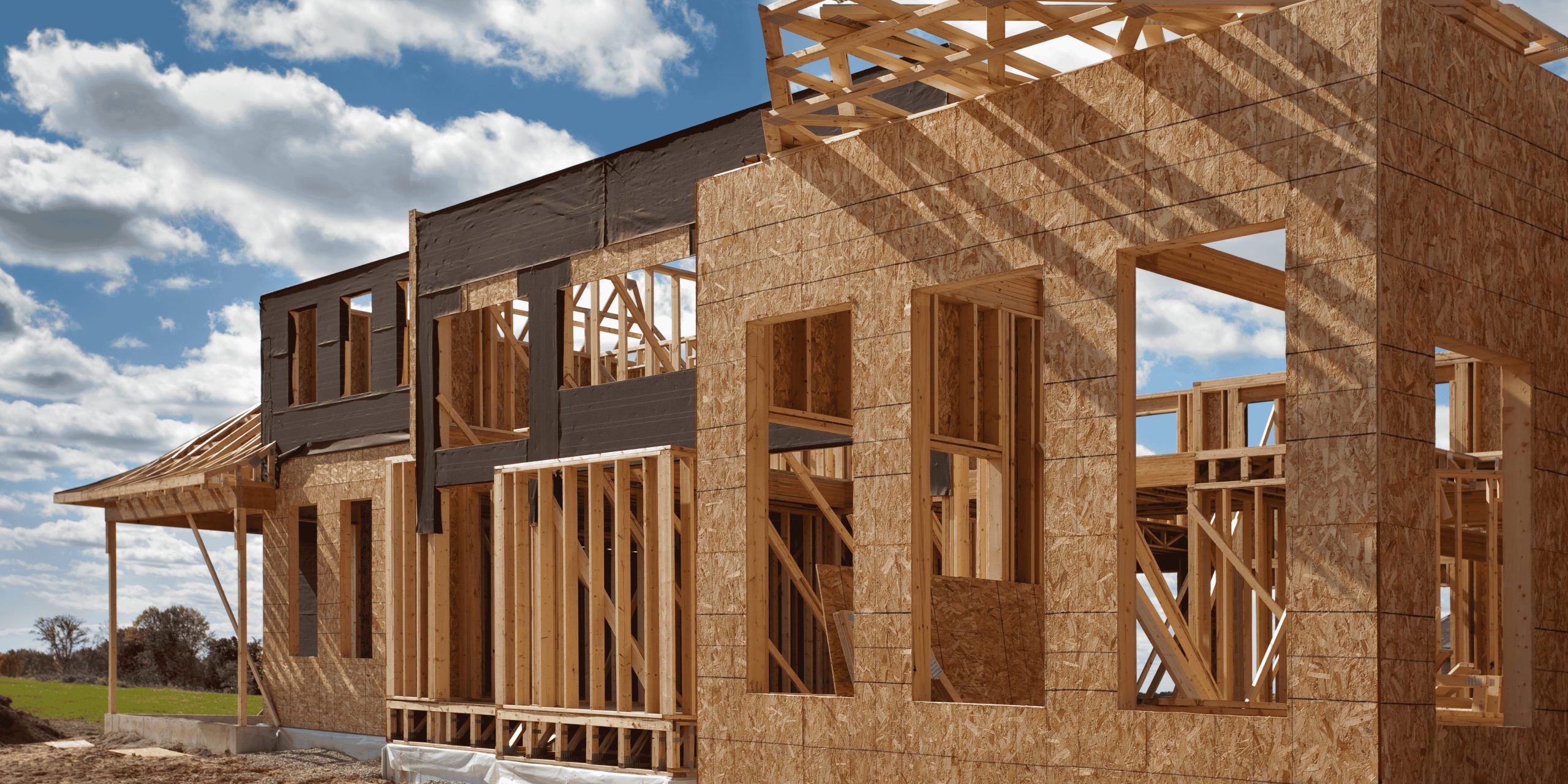
What Happens When Your New-Build Home Has Construction Defects?
We were thrilled about our new home—until we learned that “new” doesn’t always mean “improved.”
Four days before moving into our freshly built Sloan’s Lake duplex, one of the window washers we’d hired emerged from the basement and said, “Ma’am, you’ve got a leak.”
During our inspection a month earlier, there’d been no sign of trouble, even with snow melting outside. But now, water was dripping from the ceiling into a basement window well. The news couldn’t have come at a worse time—we had already stretched our budget to buy the place.
With mortgage rates high and a baby on the way, we’d justified the purchase because the two-year-old, never-lived-in duplex was listed for nearly $100 per square foot less than others nearby. The discount stemmed from the original builder’s foreclosure—a red flag we’d missed in our eagerness. We thought we were getting a deal. So did our agent.
A Drip Becomes a Deluge of Problems
The next month turned into a blur of appointments: a plumber, structural engineer, siding expert, and mold inspector—each helping us diagnose the leak. After cutting into drywall, we discovered the cause: flashing (the thin metal strip meant to direct water away from the house) had been installed backward—sloping toward the house instead of away. Fixing it cost $1,800. 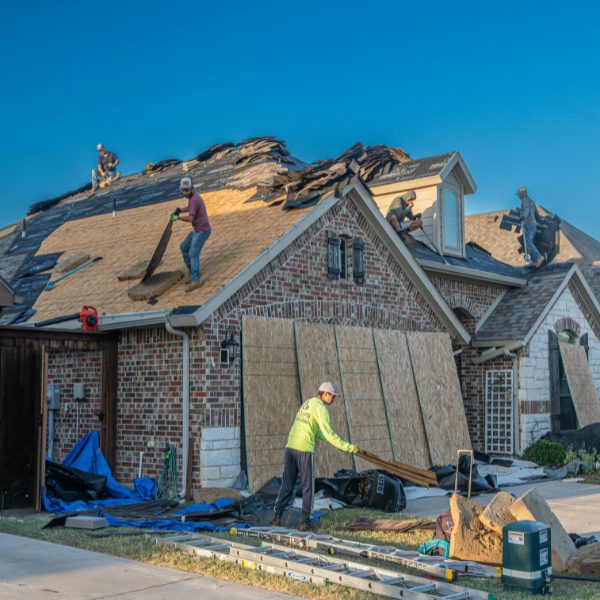
That was only the beginning. We spent:
-
$3,700 on landscaping to protect the foundation and improve drainage.
-
$500 to rewire air conditioning units installed with the wrong wattage.
-
$2,300 to repair a leak in one of those units.
Frustrated and sweaty (literally), I began to wonder: who was responsible for all these mistakes?
We’d trusted professionals—the builder, inspectors, and our real estate agent—
to safeguard our investment. Why hadn’t any of them caught these issues before closing?
Maybe we’d been too trusting. We didn’t push hard enough for a builder’s warranty or ask the right questions about the foreclosure. Even though we’d owned homes before, the cliché held true: we didn’t know what we didn’t know.
Why So Many New Homes Have Problems
Our experience isn’t unique. Denver’s housing market has created the perfect storm for shoddy construction: high demand, a labor shortage, rising material costs, and overworked
city inspectors.
“A housing shortage means builders can get away with cutting corners,” says David Pardo, technical lead at Nookhaus, a Denver firm specializing in accessory dwelling units. “Sometimes they’re forced to, just to stay solvent.”
Denver ranks among the top 10 U.S. cities for new housing construction. But the rush to build fast means quality often suffers. “High interest rates on construction loans encourage builders to finish and sell as quickly as possible,” says Reid Jennings, a construction litigation attorney.
That speed puts enormous strain on Denver’s Community Planning and Development (CPD) department. Its 65 inspectors handle about 20,000 inspections per month—roughly 300 each. Compare that to Seattle, where inspectors handle around 166 per month. “We’re not fully staffed,” admits CPD deputy building official Dennis Shults. “Sometimes we have to cancel inspections.”
These city inspections focus only on minimum code compliance, not craftsmanship. A city inspector checks that flashing exists—not whether it’s angled correctly. As Shults explains, “We just see the final product. We can’t see what’s hidden behind it.”
Private inspectors aren’t foolproof either. “Sometimes we get tunnel vision,” one told us. And as Jennings notes, “Most city inspections are spot checks.”
Living in the “New” Money Pit
Despite being brand new, our home quickly showed its flaws. Floorboards warped and bubbled. A cabinet panel detached and hit my foot. No cable or Ethernet lines had been installed. Our AC whistled through vents but blew no cold air.
When we had the ducts cleaned, the technicians pulled out two beer cans, tape wads, and piles of drywall debris—apparently swept into the ducts during construction. “Yours were dirtier than a 40-year-old house,” one said, shaking his head.
The final straw came when our oven malfunctioned mid-dinner, emitting nonstop beeps until I reset the breaker. I sat on the floor and cried. Days later, at 4:30 a.m., we woke to our house shaking—caused by a sprinkler system malfunction. That’s when I considered calling a lawyer.
What Legal Options Homeowners Have
According to attorney Max Gad of Lasater & Martin, construction defects are simply “a failure to build correctly.” But pursuing compensation isn’t easy—or cheap. Lawsuits can take a year or more and cost $10,000+ in attorney fees. Even if you win, builders may lack insurance to pay damages.
Colorado’s Construction Defect Action Reform Act requires homeowners to send a notice of claim before suing, giving builders a chance to inspect and repair issues. In practice, few cases settle at this stage—Jennings estimates he’s seen only three in 12 years.
We unintentionally followed a version of this process, emailing our seller (a private capital lender that foreclosed on the property) to reimburse repairs. We’ve recovered about $5,000 of the $9,000+ we’ve spent so far, with another $10,000 expected for long-term fixes. Hiring a lawyer just isn’t worth it.
But it’s not just about the money. At a time when we should’ve been decorating the nursery and celebrating new beginnings, we were spending hours managing repairs and wondering if our home was even safe.
Five months later, most of the major issues are resolved—and we’re finally able to enjoy moments of peace and excitement about what’s ahead.
Lessons for Buyers
If there’s one takeaway, it’s this: “Caveat emptor”—let the buyer beware.
Before you buy a new-build:
-
Research the builder’s history and check for past foreclosures or complaints.
-
Negotiate for a builder’s warranty or ask for escrow funds for potential repairs.
-
Hire an independent inspector—even if it’s new construction.
-
Document everything, from inspection notes to repair receipts.
Our dream home came with more challenges than we ever expected. But at least now, we know what questions to ask next time—and what’s really hiding behind that shiny new siding.
