
 Facebook
 X
X
 Pinterest
 Copy Link
For a lot of people, owning a mountain home in Colorado sounds like a fantasy reserved for the ultra-wealthy. Ski towns, scenic views, and cabin life come with price tags that can feel completely out of reach.
But that’s not the full story.
Across the Front Range, people are finding creative, strategic ways to break into the market—without starting with a multimillion-dollar budget. Their paths aren’t always conventional, but they’re surprisingly practical.
Here’s how they’re doing it.

Start Where You Can—Not Where You Want
One of the biggest mindset shifts? Letting go of the “perfect first home.”
Instead of buying in their dream Denver neighborhood, some buyers are choosing to purchase in more affordable mountain towns first—while continuing to rent in the city. This approach gets them into the real estate market sooner, allowing them to start building equity rather than waiting on the sidelines.
In some cases, that initial mountain property becomes a stepping stone: a part-time getaway, a short-term rental, and eventually, even a full-time home.
The takeaway: Your first property doesn’t have to be your forever home. It just has to get you in the game.
Share the Dream (and the Cost)
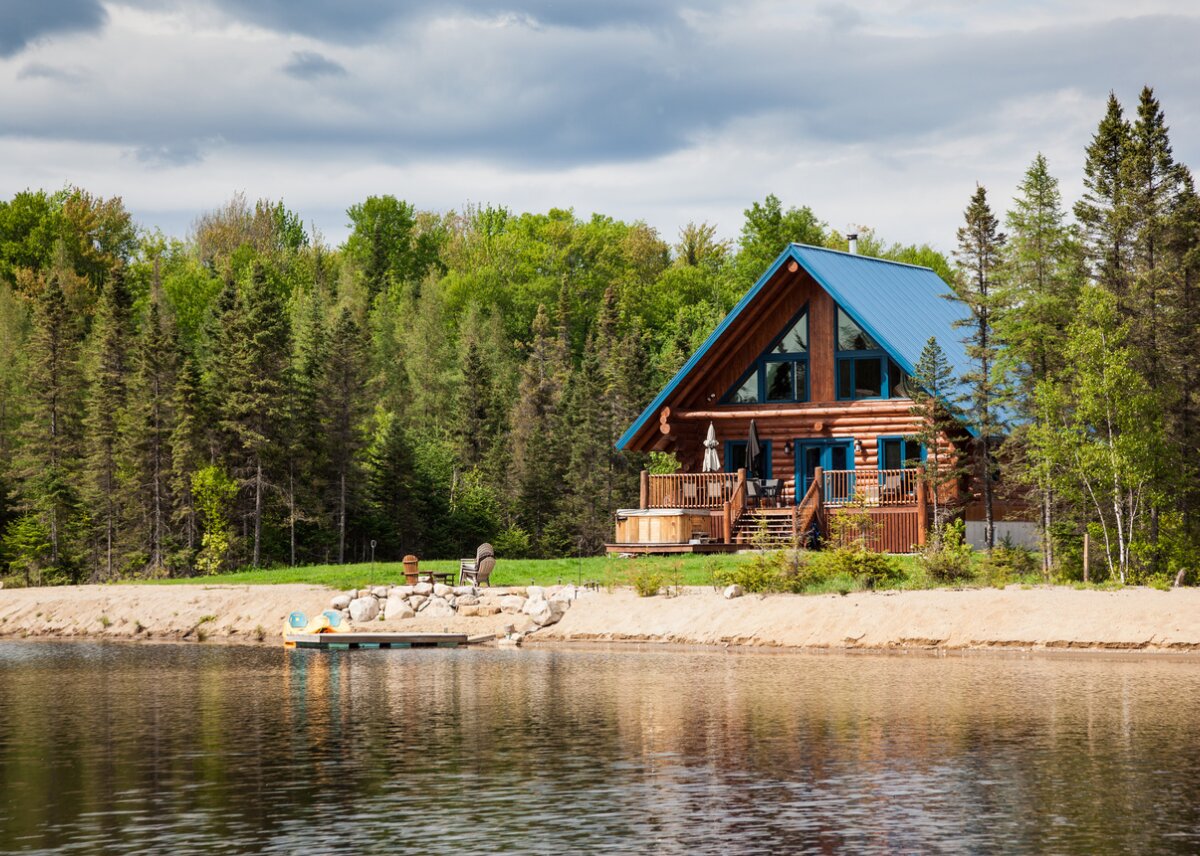
Buying a mountain home solo can be tough. Buying one with others? Much more doable.
Co-ownership—whether with friends, family, or trusted partners—is becoming a popular way to split both the upfront cost and ongoing expenses. With clear communication and a shared system for scheduling, many groups are making it work smoothly.
Of course, this setup isn’t for everyone. It requires trust, aligned expectations, and some structure. But when done right, it can turn an unaffordable dream into a realistic option.
The takeaway: You don’t have to go it alone to own something meaningful.
Look Beyond the Obvious Locations
Well-known resort towns come with well-known price tags. That’s why many buyers are widening their search to lesser-known areas that still offer natural beauty and access to outdoor recreation.
These places might not have the same nightlife or prestige, but they often provide:
More space
Fewer restrictions on rentals
Lower purchase prices
And sometimes, that tradeoff is exactly what makes ownership possible.
The takeaway: Expanding your map can dramatically expand your options.
Build Instead of Buy
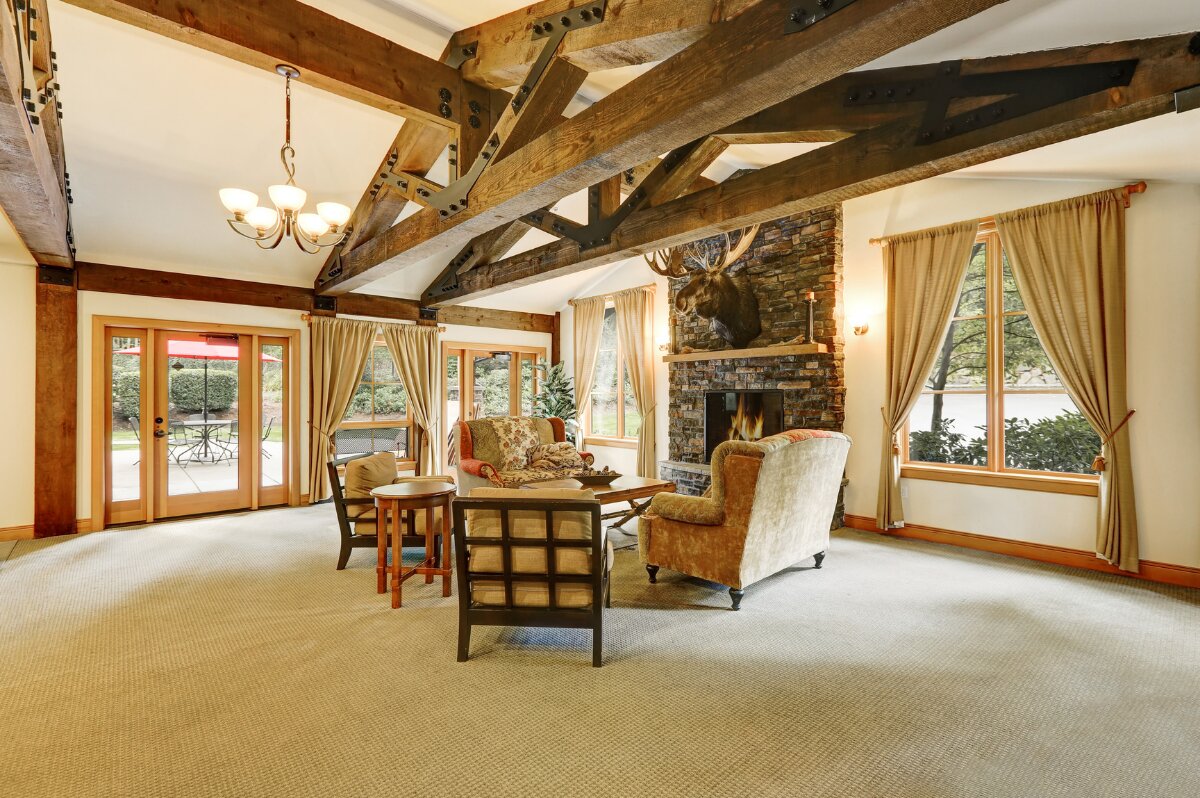
When inventory is tight or prices are too high, some buyers take a different route: they build.
From A-frame cabins to modular homes, building on raw land gives buyers more control over design and budget. It can also open the door to unique, high-demand rental properties.
That said, building is rarely simple. It comes with challenges like:
Permitting and zoning
Installing utilities (water, septic, power)
Managing contractors—or doing it yourself
It’s a longer road, but for those willing to take it on, the payoff can be both financial and personal.
The takeaway: Building isn’t the easy route—but it can be a powerful one.
Make the Property Work for You
A common thread across many of these strategies is income.
Whether it’s short-term rentals, long-term tenants, or even renting out part of a primary residence, generating cash flow can make a second property far more attainable.
Some buyers even use financing options designed specifically for rental properties, where approval is based more on the property’s earning potential than their personal income.
The takeaway: The more your property can support itself, the more realistic ownership becomes.

Use What You Already Have
For homeowners, your current property can be part of the plan.
Adding a rentable unit—like a guesthouse or accessory dwelling—can create a new income stream that helps offset costs or boost borrowing power. While it requires upfront investment, it can be one of the most effective long-term strategies.
The takeaway: Sometimes the path to a second home starts with maximizing your first one.
Be Smart About Land
Vacant land can look like a bargain—but it often comes with hidden costs.
Before buying, it’s critical to understand what it will take to actually build and live there. Things like water access, septic systems, and electricity can quickly add up.
Doing thorough research—and bringing in professionals when needed—can prevent expensive surprises down the line.
The takeaway: Cheap land isn’t always cheap in the long run.
Rethink Ownership Models
New ownership models are also changing the game.
Instead of buying an entire home, some buyers purchase fractional shares of high-end properties. These arrangements typically include professional management, scheduling systems, and maintenance, making ownership more accessible and hands-off.
While it’s not the same as full ownership, it can be a practical way to enjoy a luxury property without carrying the full cost.
The takeaway: Ownership doesn’t have to be all or nothing.
The Bigger Picture
What stands out most isn’t just the strategies—it’s the flexibility behind them.
People who are making mountain home ownership work are:
Adjusting expectations
Getting creative with financing
Thinking long-term instead of all-or-nothing
They’re not waiting for the “perfect” moment or the “perfect” property. They’re finding ways to start where they are—and building from there.
And that might be the most important takeaway of all.
Thinking about making a move yourself?
The right approach depends on your budget, timeline, and goals—but chances are, there’s a path that’s more realistic than you think.
